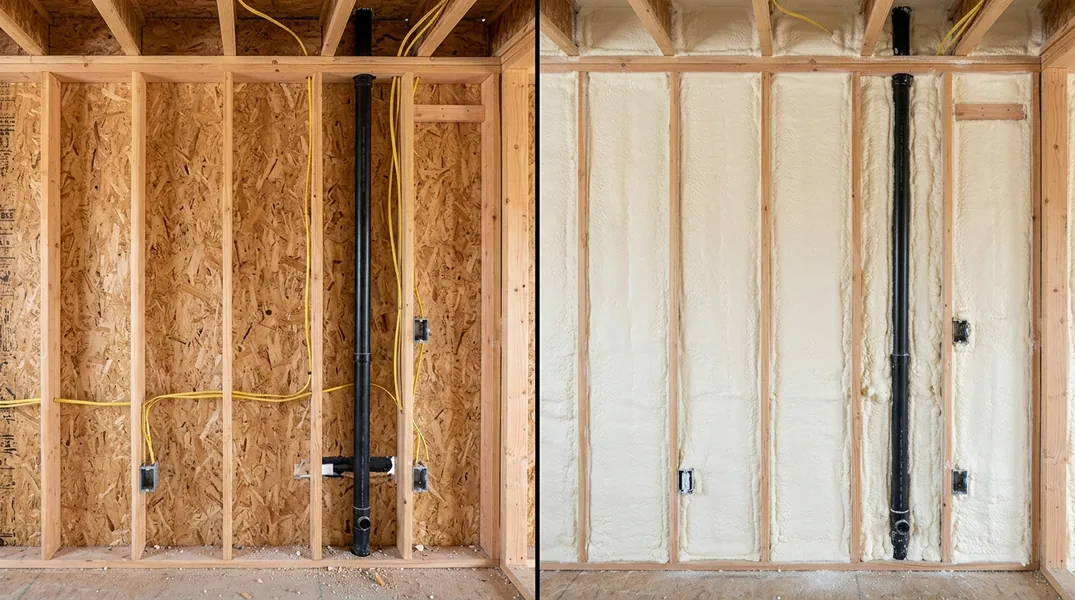
Understanding Spray Foam Attic Insulation: Open Cell vs Closed Cell
When you're considering Attic Spray Foam Insulation for your Grand Junction home, one of the first decisions you'll face is choosing between open cell and closed cell foam. Both options use spray application technology to create an effective thermal barrier in your attic, but they differ significantly in composition, performance, and cost. Understanding these differences will help you make an informed decision that aligns with your home's specific needs and your budget.
Open cell foam is lighter and less dense, containing cells that are not completely encapsulated. This structure allows air and moisture to pass through the material, which can be advantageous in certain climates but requires careful installation. Closed cell foam, by contrast, features cells that are completely sealed, creating a denser, more rigid material that provides superior moisture resistance and structural support. The choice between these two types depends on factors like Grand Junction's climate, your attic's ventilation needs, and your long-term insulation goals.
Open Cell Spray Foam Insulation: Benefits and Considerations
Open Cell Spray Foam Insulation offers several compelling advantages for homeowners. Its lower density makes it easier and faster to install, which typically translates to lower labor costs. Open cell foam is also an excellent sound dampener, making it ideal if you're concerned about noise transmission from outside or between rooms. Additionally, because the cells are not completely sealed, open cell foam allows your attic to breathe, which can be beneficial in certain humidity conditions and helps maintain a more balanced moisture environment within the attic space.
However, open cell foam does have limitations that are worth considering. Its lower R-value per inch means you may need greater thickness to achieve the same insulation performance as closed cell options. Open cell foam also provides minimal structural support and is more permeable to air and water vapor. In humid climates or areas prone to moisture intrusion, this characteristic can potentially lead to condensation issues if not properly managed. For homeowners in the Grand Junction area with its semi-arid climate, open cell foam can still be effective, but installation and ventilation strategy become critical factors in long-term performance.
Closed Cell Spray Foam Insulation: Superior Performance and Protection
Closed Cell Spray Foam Insulation is the premium choice for homeowners seeking maximum insulation efficiency and structural benefits. The completely sealed cell structure delivers an impressive R-value of approximately 6 to 7 per inch, nearly double that of open cell foam. This superior thermal resistance means you can achieve excellent insulation performance with less material thickness, which is particularly valuable in attics where space is limited or where you want to maximize the usable area. Closed cell foam also acts as an effective air and moisture barrier, creating a sealed attic environment that prevents drafts, air leaks, and moisture infiltration.
Beyond insulation value, closed cell foam provides structural reinforcement to your roof deck, adding rigidity and strength to your home's envelope. This added structural support can be especially beneficial in areas prone to high winds or severe weather. The moisture resistance of closed cell foam makes it ideal for creating what's known as an unvented attic spray foam system, where the foam itself serves as the primary moisture and air barrier rather than relying on traditional ventilation. This approach has become increasingly popular among builders and homeowners who want to create a more controlled, energy-efficient attic space. The trade-off is that closed cell foam typically costs more per square foot than open cell options, though the superior performance often justifies the investment for many homeowners.
Unvented Attic Spray Foam: Creating a Sealed, Conditioned Space
One of the most significant advantages of using spray foam for attic insulation is the ability to create an unvented attic spray foam system, particularly with closed cell applications. In a traditional vented attic, air circulates through soffit and ridge vents to manage temperature and moisture. With an unvented attic created by spray foam, the foam itself becomes the air and moisture barrier, and the attic space is brought into the home's conditioned envelope. This approach offers several practical benefits, including better temperature control year-round, reduced strain on your HVAC system, and protection of attic-based equipment like air handlers and ductwork.
Creating a sealed attic insulation system requires precise application and attention to detail. The foam must be applied to the roof deck, sidewalls, and any other surfaces that separate the attic from unconditioned spaces. Proper installation ensures that the attic becomes part of your home's thermal envelope, which can lead to noticeable energy savings, particularly during Grand Junction's cold winters and warm summers. This approach also protects stored items in your attic from temperature extremes and can extend the lifespan of roofing materials. If you're interested in exploring whether an unvented attic system makes sense for your home, reaching out for a free estimate from our experienced team can help clarify your options.
Attic Spray Foam Insulation Cost in Grand Junction: What to Budget
The pricing for spray foam attic insulation varies based on several factors, with closed cell foam generally commanding a higher per-square-foot cost than open cell options. Open cell foam typically ranges from $0.50 to $1.00 per board foot, while closed cell foam generally costs between $1.00 and $1.50 per board foot. However, these figures can vary based on local market conditions, the complexity of your attic layout, the thickness of application required, and current material availability. For a typical attic in Grand Junction, the total investment might range from $1,500 to $4,500 depending on square footage and foam type selected.
When evaluating cost, consider the long-term value rather than just the initial price tag. Closed cell foam's superior R-value means you may need less material to achieve your target insulation performance, potentially offsetting some of the per-unit cost difference. Additionally, the energy savings from improved insulation efficiency can reduce your heating and cooling costs by 15 to 30 percent, depending on your current insulation levels and home characteristics. To get an accurate quote tailored to your specific attic and needs, contact Grand Junction Spray Foam Insulation at (970) 200-8449 or request a free estimate through our website. Our team can assess your attic, discuss your goals, and provide detailed pricing information.
Which Spray Foam Option Is Right for Your Grand Junction Home?
Choosing between open cell and closed cell spray foam ultimately depends on your specific situation, priorities, and budget. If you're primarily concerned with cost-effective insulation and sound dampening, and your attic has adequate ventilation capacity, open cell foam may be the right choice. However, if you want maximum thermal efficiency, superior moisture protection, the ability to create a sealed attic insulation system, and are willing to invest in premium performance, closed cell foam is the better option. Grand Junction's semi-arid climate with temperature swings between hot summers and cold winters generally favors closed cell applications, as the superior air sealing and moisture resistance provide better year-round performance.
The best way to determine which option suits your home is to have a qualified professional evaluate your attic space, discuss your energy goals, and explain how each foam type would perform in your specific situation. Grand Junction Spray Foam Insulation has extensive experience helping local homeowners make this decision. We can explain the pros and cons of each option in the context of your home's design, your attic's current condition, and your budget constraints. Whether you're looking to improve energy efficiency, reduce utility bills, or create a more comfortable home, we're here to help. Contact us at (970) 200-8449 or visit our website to schedule your consultation and take the first step toward a better-insulated, more efficient home.
Looking for a professional spray foam insulation contractor in Grand Junction? Grand Junction Spray Foam Insulation responds fast for all your spray foam insulation needs.
Get a Free Quote