Why Lincoln Park's Historic Homes Need Modern Insulation Solutions
The Lincoln Park City Historic District in Grand Junction is known for its charming period architecture, tree-lined streets, and well-preserved homes that tell the story of the region's past. However, many of these older properties were built with insulation standards that fall far short of modern energy efficiency requirements. Homes constructed in the early-to-mid 20th century often relied on minimal fiberglass batts, cellulose, or no insulation at all, leaving homeowners with high heating and cooling costs today.
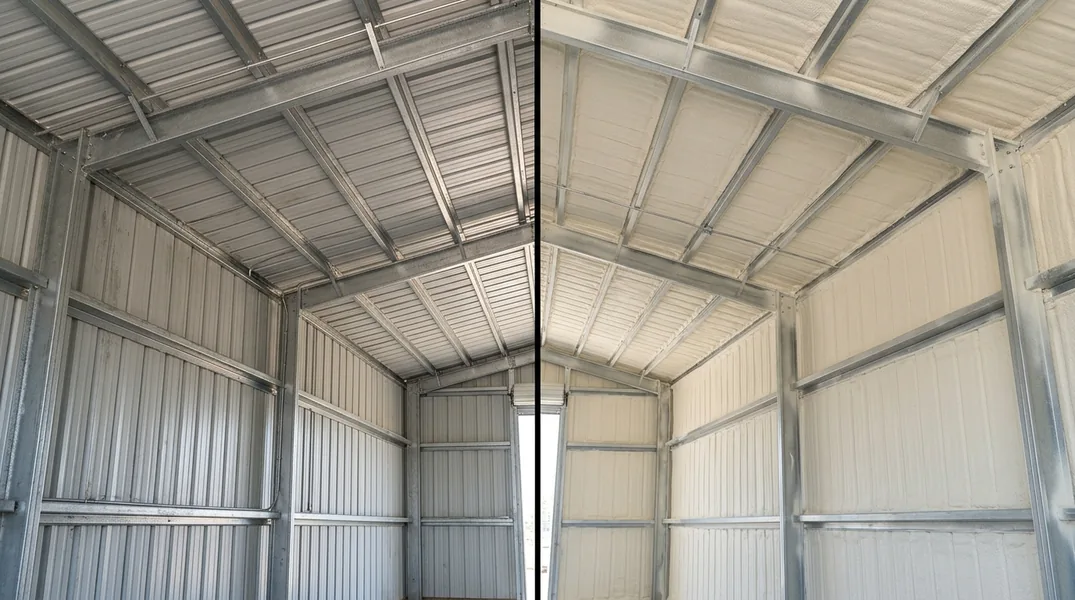
The challenge for Lincoln Park homeowners is balancing preservation of their home's historic character with the practical need for better energy performance. Traditional insulation methods can be invasive, requiring wall cavities to be opened and potentially damaging original finishes. This is where modern solutions like Attic Spray Foam Insulation come into play. Spray foam can be applied in ways that respect the home's structure while dramatically improving thermal performance, making it an attractive option for homeowners seeking to upgrade their historic properties without extensive renovation.
Is Spray Foam Insulation Worth It for Your Historic Home?
Whether spray foam insulation is worth the investment depends on several factors specific to your property and goals. For historic homes in Grand Junction, the value proposition is particularly compelling. These older homes typically have significant air leakage, poor attic insulation, and thermal bridging issues that spray foam directly addresses. A properly insulated attic can reduce heating and cooling costs by 15 to 25 percent, which translates to meaningful savings on your monthly utility bills, especially during our cold winters and hot summers in Colorado.
Beyond immediate cost savings, spray foam offers long-term value. Unlike traditional fiberglass insulation that degrades over time and can settle, spray foam maintains its R-value for decades. It also provides superior air sealing, which reduces dust infiltration and improves indoor air quality. For homeowners planning to stay in their historic property long-term, the combination of energy savings, improved comfort, and reduced maintenance often justifies the higher upfront cost compared to conventional insulation. Additionally, better insulation can increase your home's market value if you ever decide to sell.
Is Spray Foam Insulation Safe? Understanding the Real Concerns
Safety is a legitimate concern when considering any insulation upgrade, and it's important to separate fact from misconception. Spray foam insulation, when installed by trained professionals, is safe and has been used successfully in millions of homes across North America for over three decades. Once fully cured, the material is stable and does not pose respiratory risks to occupants in properly ventilated homes. The key phrase here is 'properly installed' and 'fully cured.' Installation should only be performed by certified professionals who follow manufacturer guidelines and industry standards.
The safety profile improves significantly when you choose qualified installers. Professional crews ensure proper ventilation during application, use appropriate personal protective equipment, and allow adequate curing time before homeowners re-enter treated spaces. Closed Cell Spray Foam Insulation is particularly favored for attics because it creates a complete air barrier and is less prone to off-gassing issues compared to lower-density options. If you're concerned about safety, requesting documentation of proper installation protocols and asking about the specific product being used will give you confidence in your decision.
Spray Foam Off Gassing and Other Common Problems: What You Need to Know
Spray foam off gassing is one of the most frequently cited concerns by homeowners researching insulation options. Off gassing refers to the release of volatile organic compounds (VOCs) that can occur during and immediately after installation. However, it's crucial to understand that modern spray foam formulations, particularly those used by reputable contractors, have significantly reduced VOC emissions compared to earlier products. High-quality closed-cell and open-cell foams cure completely within 24 to 48 hours, after which off gassing is virtually eliminated. Poor ventilation during installation or use of lower-grade products are the primary causes of lingering odors or air quality issues.
Other spray foam insulation problems that homeowners mention include improper installation leading to incomplete coverage, moisture issues if applied in damp conditions, and incompatibility with certain wall assemblies. These problems are almost entirely preventable through proper site assessment, correct application technique, and adherence to building codes. When you work with experienced professionals who understand historic home construction, these risks become minimal. Wall & Injection Foam Insulation for older homes requires particular expertise because the existing wall cavities may contain surprises like old wiring, plumbing, or structural anomalies. This is why hiring a local contractor familiar with Lincoln Park's building stock is invaluable.
Spray Foam Insulation Pros and Cons: A Balanced Look for Historic Homeowners
Understanding the complete picture of spray foam's advantages and limitations will help you make an informed decision. The primary pros include superior air sealing that stops drafts at their source, excellent R-value per inch of thickness (ideal for attics with limited space), long-term durability, and the ability to insulate irregular spaces that traditional batts cannot reach. For historic homes where attic access is tight or where preserving wall cavities is important, spray foam's efficiency is a major advantage. It also reduces noise transmission and can provide minor structural reinforcement to roof assemblies.
The cons worth considering are the higher initial cost compared to fiberglass or cellulose, the requirement for professional installation, and the need for proper ventilation during application. Some homeowners also express concerns about moisture management in certain climates, though this is largely a non-issue when Open Cell Spray Foam Insulation is chosen appropriately for your specific application. There's also the consideration that spray foam is more difficult to remove if future renovations are needed, though this is rarely a practical concern. For most historic homeowners in Grand Junction seeking to improve comfort and reduce energy costs, the pros substantially outweigh the cons.
Attic Spray Foam Insulation Cost in Grand Junction: What to Budget
Understanding the financial investment required is essential for homeowners planning an insulation upgrade. Spray foam insulation costs more per square foot than traditional options, typically ranging from $1.50 to $3.00 per board foot depending on foam type, accessibility, and project scope. For a typical 1,000-square-foot attic in a historic home, you can expect to invest between $3,000 and $8,000 for professional installation. While this is higher than fiberglass batts (which might cost $500 to $1,500 for the same space), the long-term energy savings and superior performance often justify the difference over a 10 to 15-year payback period.
Several factors affect your specific pricing: attic accessibility, existing insulation that must be removed, the R-value you're targeting, and whether you choose closed-cell or open-cell foam. Closed-cell foam costs more but provides higher R-value and better moisture resistance, making it ideal for Colorado's climate. Many homeowners also qualify for energy efficiency rebates or tax credits that offset initial costs. To understand what your historic home's insulation upgrade would cost, contact Grand Junction Spray Foam Insulation at (970) 200-8449 for a free estimate. Our team can assess your specific situation and provide transparent pricing based on your home's unique characteristics.
Looking for a professional spray foam insulation contractor in Grand Junction? Grand Junction Spray Foam Insulation responds fast for all your spray foam insulation needs.
Get a Free Quote